A Detailed Guide to Surface Treatments for Metal Tags

How Personalized Metal Tags Help Brands Stand Out
18/12/2025
What Are Metal Wine Labels and Their Unique Advantages?
01/01/2026A Detailed Guide to Surface Treatments for Metal Tags

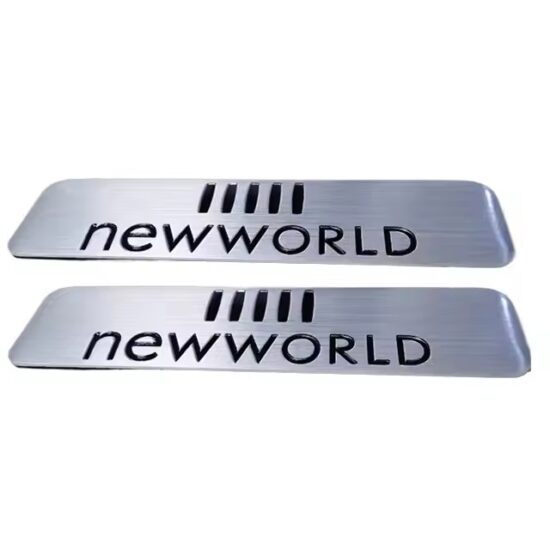
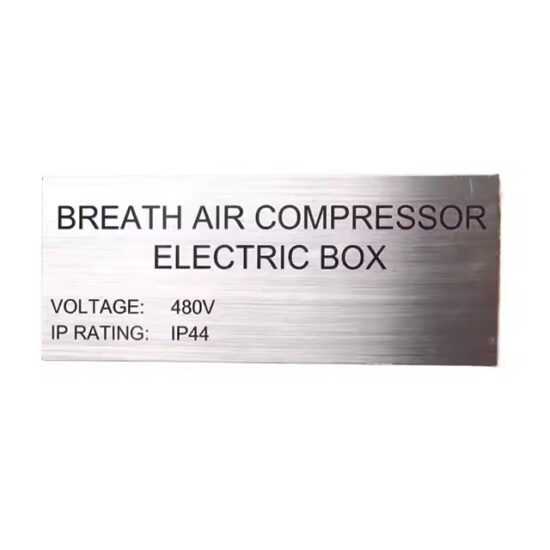
A Detailed Guide to Surface Treatments for Metal Tags
Metal tags are widely used for identification, branding, and tracking in numerous industries. To ensure these tags remain durable, visually appealing, and functional over time, various surface treatments are applied during the manufacturing process.
In this detailed guide, we will explore common surface treatment techniques for metal tags, their benefits, and the applications best suited for each.
1. Anodizing
Anodizing is an electrochemical process that forms a protective oxide layer on the surface of metals, primarily aluminum. This layer increases corrosion resistance, hardness, and wear resistance while allowing vibrant dyeing for color customization.
Benefits:
-
Enhanced corrosion and abrasion resistance
-
Wide range of color options
-
Environmentally friendly process
Common Applications:
-
Outdoor equipment tags
-
Decorative labels
-
Industrial asset tags
2. Plating
Plating involves depositing a thin layer of metal such as nickel, chrome, or gold onto the tag surface. This enhances aesthetic appeal and protects the base metal from corrosion.
Benefits:
-
Attractive metallic finish
-
Increased corrosion resistance
-
Improved conductivity (for certain applications)
Common Applications:
-
Luxury product tags
-
Jewelry and fashion labels
-
Electronic device tags
3. Powder Coating
Powder coating applies a dry powder that is cured under heat to form a tough, uniform coating. It provides excellent protection against wear, impact, and chemicals.
Benefits:
-
Durable and thick coating
-
Wide color and texture options
-
Environmentally friendly, no VOC emissions
Common Applications:
-
Industrial equipment tags
-
Outdoor signage
-
Heavy-duty asset tags
4. Etching and Engraving
Though primarily a marking method, etching and engraving also contribute to surface texture and design. These processes create permanent, high-contrast markings that resist fading.
Benefits:
-
Precise and detailed customization
-
Permanent and wear-resistant marks
-
Compatible with most surface finishes
Common Applications:
-
Serial number tags
-
Safety and compliance labels
-
Brand logos and artwork
5. Other Treatments
-
Polishing: Improves surface smoothness and shine.
-
Chemical Passivation: Enhances corrosion resistance of stainless steel tags.
-
Painting: Adds color but generally less durable than powder coating.
📌 Conclusion
Selecting the right surface treatment for your metal tags is crucial to achieving the desired balance of durability, appearance, and cost-effectiveness. Whether you need colorful anodized finishes, protective plating, or robust powder coatings, understanding these options will help you choose the best solution for your specific application.
If you need help deciding on the ideal surface treatment for your metal tags, our experts are here to guide you.