Designing Metal Wine Labels for Different Types of Wine Bottles

Color Selection and Color Management in Custom Metal Wine Labels
05/02/2026
Innovative Metal Wine Label Designs for Holiday Gift Wines
19/02/2026Designing Metal Wine Labels for Different Types of Wine Bottles
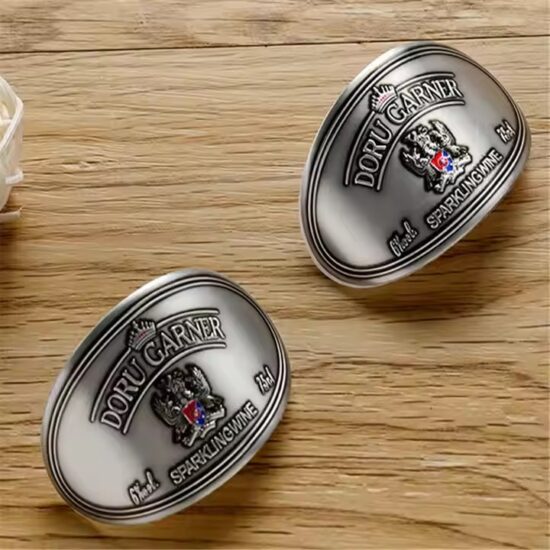
Designing Metal Wine Labels for Different Types of Wine Bottles
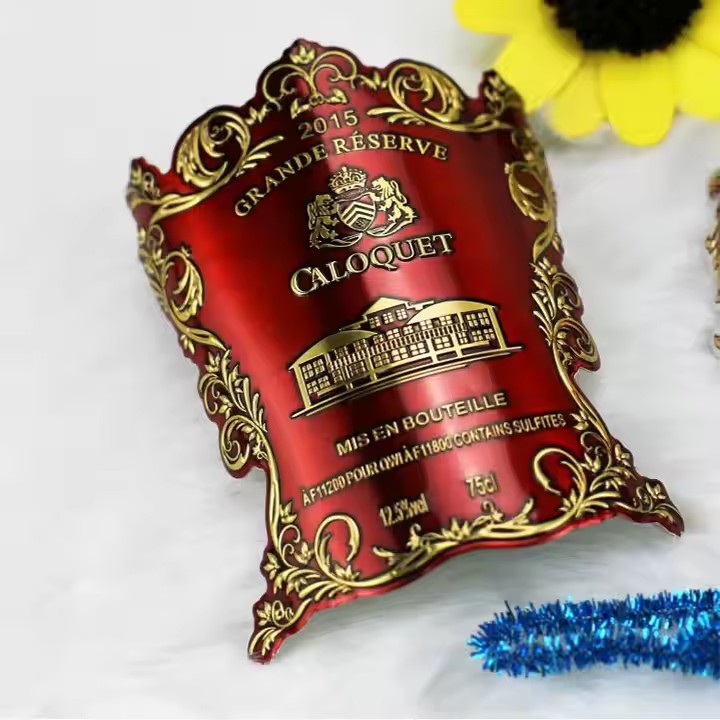
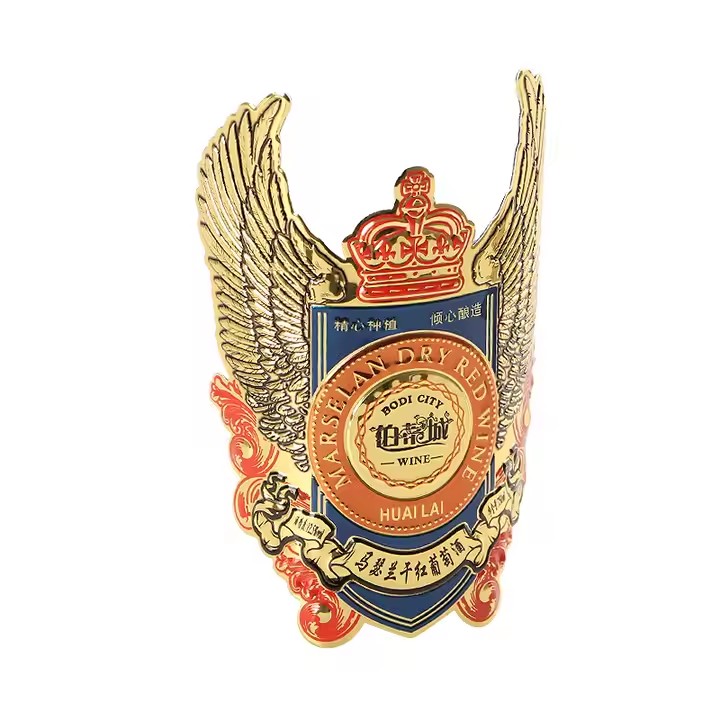
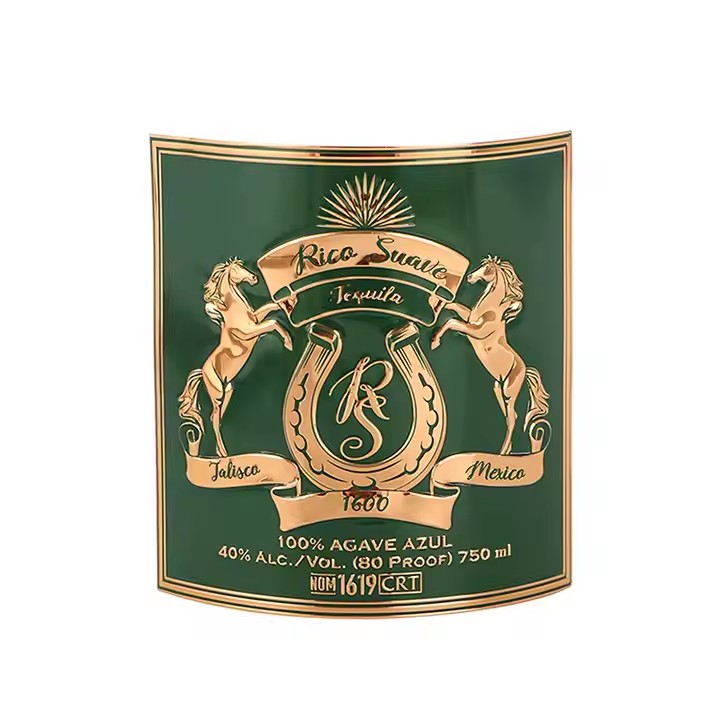
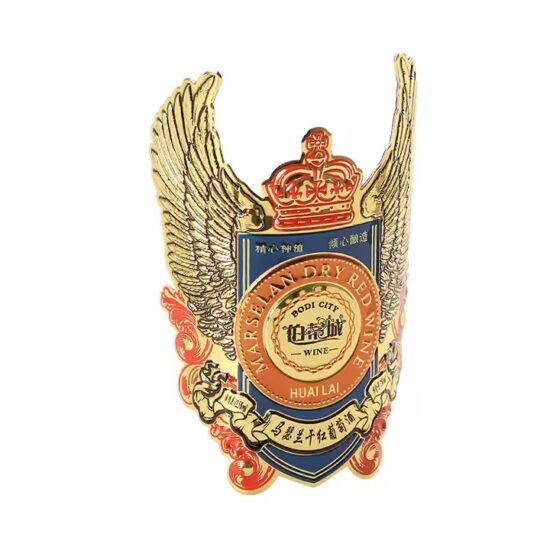
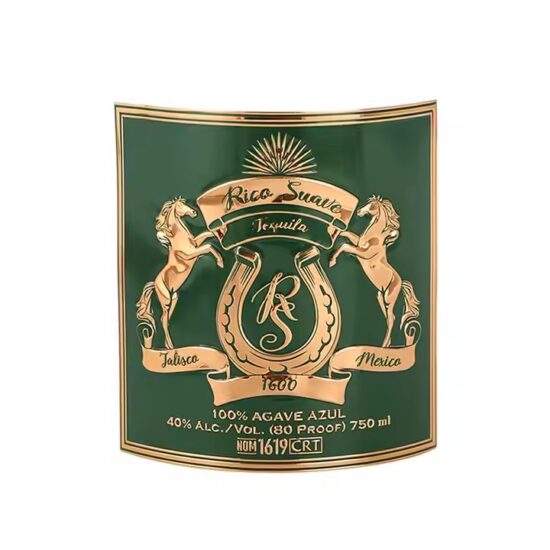
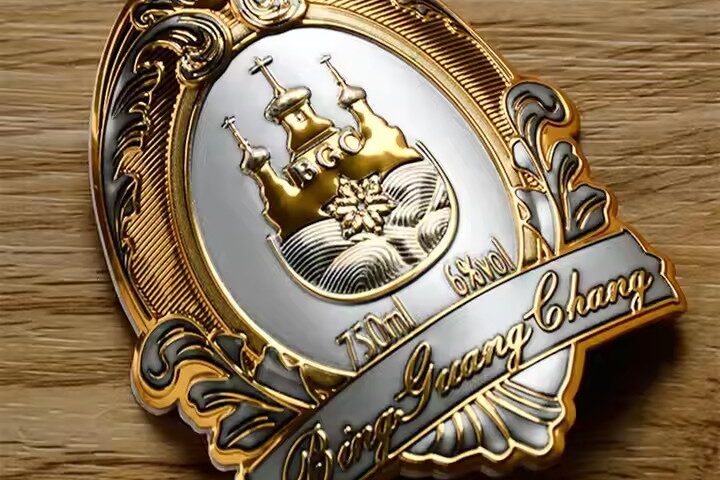
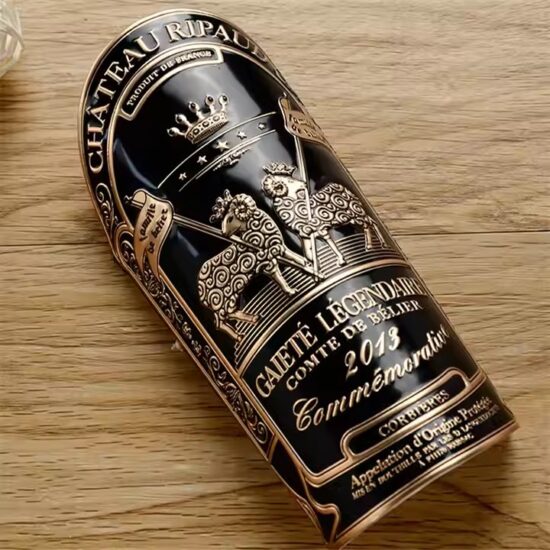
Metal wine labels add a luxurious and distinctive touch to wine bottles, helping brands stand out in a crowded market. However, different types of wine bottles vary in shape, size, and style, requiring thoughtful design adjustments to ensure labels fit perfectly and complement the bottle’s aesthetics.
This article will guide you through essential factors and design strategies for creating metal wine labels tailored to different wine bottle types.
1. Consider Bottle Shape and Size
Wine bottles come in various shapes—Bordeaux, Burgundy, Champagne, and more. Each has unique curves, neck lengths, and diameters that influence how a metal label can be applied and displayed.
-
Bordeaux bottles: Straight sides and high shoulders provide a flat surface ideal for larger rectangular or square metal labels.
-
Burgundy bottles: Rounded shoulders and a wider body may require more flexible or curved labels.
-
Champagne bottles: Typically thicker glass with a tapered neck; smaller or oval-shaped labels work best to fit contours.
2. Label Size and Placement
Choose label dimensions that complement the bottle without overwhelming it. Consider placement options such as front and center, around the neck, or as a seal on the bottle’s shoulder.
-
Larger labels emphasize brand details but should not obstruct bottle handling.
-
Neck labels add a premium feel without covering the main body.
-
Wrap-around labels offer 360-degree branding but need precise sizing.
3. Attachment Methods
Metal labels can be attached by adhesive, rivets, or elastic bands. The chosen method depends on the bottle’s surface texture, shape, and the desired permanence of the label.
-
Adhesive: Best for smooth surfaces and provides a clean look.
-
Rivets: Suitable for sturdy labels and bottles with reinforced areas.
-
Elastic Bands: Offer flexibility and reuse but may affect aesthetics.
4. Design Adaptations for Bottle Type
-
For traditional bottles: Classic typography and minimalistic designs work well to match heritage styles.
-
For modern or experimental bottles: Bold graphics, metallic finishes, and unique shapes can attract attention.
-
For sparkling wine bottles: Waterproof finishes and durable coatings are essential due to moisture exposure.
5. Material and Finish Choices
Different bottle types and label placements may benefit from varying metal materials and finishes.
-
Brushed aluminum or stainless steel provide durability and elegance.
-
Anodized finishes offer vibrant colors ideal for eye-catching designs.
-
Matte or polished surfaces affect the label’s tactile and visual appeal.
📌 Conclusion
Designing metal wine labels that perfectly suit different wine bottle types involves understanding bottle dimensions, shapes, and usage environments. By carefully selecting label size, placement, attachment method, and materials, wineries can create premium labels that enhance brand image and consumer appeal.
If you need tailored metal label design services to match your wine bottles, we’re here to help with expert guidance and custom solutions.