Common Materials for Metal Wine Labels and Their Performance Comparison

What Are Metal Wine Labels and Their Unique Advantages?
01/01/2026
Durability and Lifespan of Metal Wine Labels Explained
15/01/2026Common Materials for Metal Wine Labels and Their Performance Comparison

Common Materials for Metal Wine Labels and Their Performance Comparison
Metal wine labels have become a popular choice among wineries looking to enhance their product’s appeal and durability. However, the choice of material plays a crucial role in determining the label’s performance, cost, and overall look.
In this article, we will introduce the most common materials used for metal wine labels and compare their key characteristics to help you make an informed decision.
1. Aluminum
Aluminum is one of the most widely used materials for metal wine labels due to its lightweight nature and excellent corrosion resistance.
-
Durability: High resistance to corrosion, rust, and moisture, making it ideal for wine bottles that may be refrigerated or stored in humid environments.
-
Aesthetic: Can be anodized or brushed to achieve various finishes and colors, offering a sleek, modern look.
-
Cost: Generally affordable and cost-effective for bulk production.
-
Environmental Impact: Highly recyclable, making it an eco-friendly choice.
2. Stainless Steel
Stainless steel is known for its strength and durability, making it a premium option for metal wine labels.
-
Durability: Extremely resistant to corrosion, scratches, and wear, suitable for long-term use.
-
Aesthetic: Offers a polished, shiny finish that conveys luxury and quality.
-
Cost: Higher cost compared to aluminum but justified by its premium appearance and longevity.
-
Environmental Impact: Also recyclable but requires more energy to produce.
3. Brass
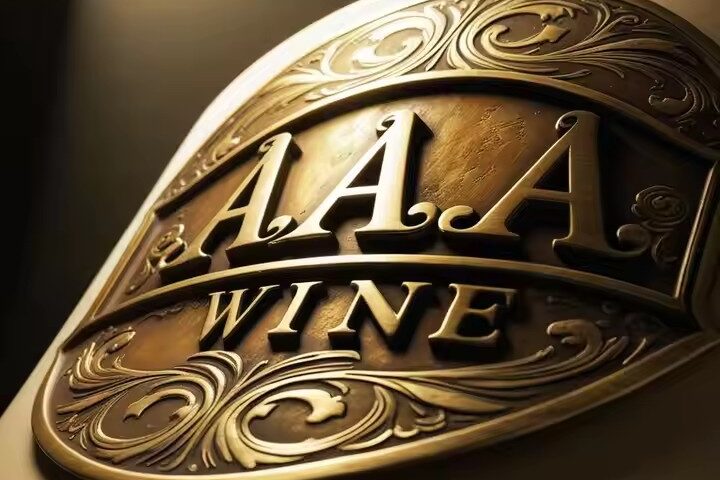
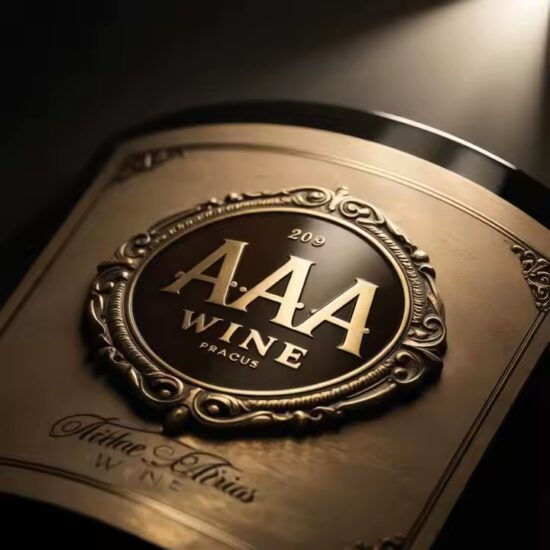
Brass is often used for its warm, golden tone and classic appeal.
-
Durability: Good corrosion resistance, but may tarnish over time if not properly coated or maintained.
-
Aesthetic: Provides a vintage, elegant look with a distinctive color.
-
Cost: Generally more expensive than aluminum, less than stainless steel.
-
Environmental Impact: Recyclable but less commonly recycled than aluminum and steel.
4. Copper
Copper offers a unique reddish-brown color that stands out visually.
-
Durability: Prone to oxidation and patina, which can be desirable for certain rustic designs but may not suit all brands.
-
Aesthetic: Adds a rich, warm tone that can evoke heritage and craftsmanship.
-
Cost: Comparable to brass, varies depending on purity and thickness.
-
Environmental Impact: Recyclable but with moderate environmental costs in mining.
Comparison Summary Table:
| Material | Durability | Aesthetic Appeal | Cost | Environmental Impact | Best For |
|---|---|---|---|---|---|
| Aluminum | High | Modern, versatile | Affordable | Highly recyclable | General, eco-friendly |
| Stainless Steel | Very High | Luxury, polished | Premium | Recyclable, energy-intensive | Premium wines, long-lasting |
| Brass | Moderate | Classic, vintage | Mid-range | Recyclable | Elegant, traditional |
| Copper | Moderate | Rustic, unique | Mid-range | Recyclable | Heritage, artisanal |
📌 Conclusion
Choosing the right material for your metal wine labels depends on your brand positioning, budget, and desired aesthetic. Aluminum offers a balance of durability, cost, and sustainability, while stainless steel suits premium brands aiming for a high-end look. Brass and copper bring classic and artisanal vibes but require more maintenance.
Consult with your metal label supplier to select the material that best aligns with your wine brand’s story and customer expectations.